October 10, 2026
Choosing the Right Medical Alarms New Zealand Seniors Can Rely On
By @medicalalarmsnewzealandsite
When Independence Meets Peace of Mind
I remember the morning my mother-in-law slipped on the back steps. She was fine, just a bruised wrist and some rattled nerves, but the fear of what could have happened lingered. For days after, she kept her phone within arm's reach and hesitated to go outside on her own. That experience pushed our family to explore the options available for emergency alert systems, and I quickly learned that not all medical alarms New Zealand families consider are created equal. The market has grown quickly, and the choices can feel overwhelming when you are evaluating what your loved one truly needs.
Having spent years advising families on aging-in-place solutions, I have seen firsthand how the right device can transform someone's daily life. It is not just about the hardware. It is about matching the technology to the person's habits, home layout, and health risks. A wearable pendant or wristband can mean the difference between a quick response and a long, frightening wait on a cold bathroom floor.
Understanding the Core Features
Most people start by asking about SOS buttons and fall detection, and those are essential. But the real value comes from how well those features work in real situations. A fall detection system that triggers only on dramatic impacts may miss the slow, sideways tumble that happens on a wet deck. Similarly, an SOS button that requires a firm press can be useless for someone with arthritis in their hands.
When evaluating medical alarms New Zealand users are buying, I advise looking at the sensitivity settings and whether the device offers automatic fall detection through accelerometers or gyroscopes. Some models use multiple sensors to distinguish between a fall and a sudden movement like bending over to tie a shoe. That kind of nuance matters more than a flashy marketing claim.
Another factor is range. Many alarms operate only within a certain distance from a base unit, which works fine for a small apartment but can fail in a larger home with thick walls or a long driveway. If your relative spends time in the garden or checking the mailbox, a system with a wider range or a cellular-based GPS option gives them more freedom without sacrificing safety.
GPS and Two-Way Calling: Real-World Benefits
GPS tracking has become a standard feature in newer devices, and for good reason. I once spoke with a woman whose father had wandered off during an early morning walk. He had mild dementia and had become disoriented near a busy intersection. His medical alarm with GPS allowed the monitoring team to pinpoint his location within a few metres, and a family member was able to reach him before he wandered into traffic. That story always stays with me because it underscores how location data can be truly life-saving.

Two-way calling is another feature I strongly recommend. It sounds simple, but being able to speak directly to a trained operator through the device can reduce panic and ensure the right help is dispatched. The operator can assess the situation, ask if the person is breathing normally, and keep them calm until paramedics arrive. For a senior living alone, that voice on the other end can feel like a lifeline.
Some systems allow family members to be notified as well, which adds another layer of comfort. You might not be able to be there in person, but you can receive an alert and listen in on the call if the system supports it. That kind of transparency helps families stay connected even from a distance.
Battery Life and Reliability
No feature matters if the device runs out of power when it is needed most. I have seen devices that boast long battery life but fail to give clear warnings when the charge is low. The result is a false sense of security. Look for alarms that provide audible or visual low-battery alerts, and consider models with backup batteries that kick in during a power cut. For seniors who are not tech-savvy, simplicity in charging or battery replacement is a huge plus. A device that needs to be plugged in every night might be forgotten, while one with a rechargeable battery that lasts weeks between charges is much easier to manage.
Water resistance is another practical concern. Many falls happen in the bathroom, and an alarm that cannot get wet is not much use there. Check the IP rating of any device you consider. A minimum of IP67 means it can handle being submerged briefly, which gives your loved one the freedom to shower without worrying about damaging the unit.
Comparing Models and Subscription Costs
Pricing for medical alarms New Zealand families encounter varies widely. Some brands charge a one-off fee for the hardware plus a monthly monitoring subscription, while others bundle everything into a single monthly payment. Over a year, the difference can be significant. I always recommend calculating the total cost over two years, including any activation fees, replacement units, and extra pendant costs if you want more than one.
Here is a quick comparison of common model types and their typical trade-offs:

- Landline-based alarms: Reliable and often cheaper, but limited to home use and can fail during a power outage unless they have a battery backup.
- Cellular-based alarms: Work anywhere with mobile coverage, include GPS, but may have higher monthly fees and depend on network signal strength.
- Smart speaker integration: Some newer alarms can connect to voice assistants, allowing hands-free calling, but require Wi-Fi and may be confusing for non-technical users.
Each type serves a different lifestyle. A landline system might be perfectly adequate for someone who rarely leaves the house, while a cellular model with GPS is better for an active senior who enjoys walking or visiting friends. There is no single best choice, only the right fit for the individual.
Setup and Ease of Use
One of the biggest barriers I see is reluctance to wear the device. Some seniors find pendants uncomfortable or worry they look like a hospital bracelet. Wristbands are less obtrusive, but they can be harder to press in an emergency if the button is small. A pendant worn around the neck is generally easier to reach, but it can dangle and get caught on things. Trying a few options and letting the person choose what feels natural can dramatically improve compliance. After all, an alarm left in the drawer is no alarm at all.
Installation should also be simple. Most modern systems arrive pre-configured and require only a power connection and a quick app download for the family member. If your relative is not comfortable with smartphones, make sure the device can be managed entirely through the base unit or by calling customer support. I have helped families set up devices over the phone, and the ones that work smoothly are those with clear instructions and patient support teams.
What Families Often Overlook
Several less obvious factors can make or break the experience:
- Response time guarantees: Ask what the average response time is and whether the monitoring centre is staffed 24/7 by trained personnel rather than automated systems.
- Fall detection accuracy: Read reviews from actual users about false alarms and missed falls. No system is perfect, but some are clearly better than others.
- Family app features: Many alarms now offer companion apps that let you check battery status, location, and test the system remotely. This can save you from having to call your parent every week to ask if the device is working.
- Return policy and warranty: Devices can fail or simply not suit the user. A generous return window and a solid warranty protect your investment.
I once helped a family whose father refused to wear his alarm because the strap irritated his skin. A simple swap to a hypoallergenic material fixed the issue, but they had almost given up. Small details matter, so do not hesitate to ask for alternative bands or clips if the standard option does not work.
Making the Decision
Choosing a medical alarm is a personal decision that involves weighing cost, features, and the specific needs of the person who will use it. I recommend involving your relative in the process as much as possible. Let them test a couple of units if the company offers a trial period. Their comfort and willingness to use the device every day is ultimately what determines whether it will help in an emergency.
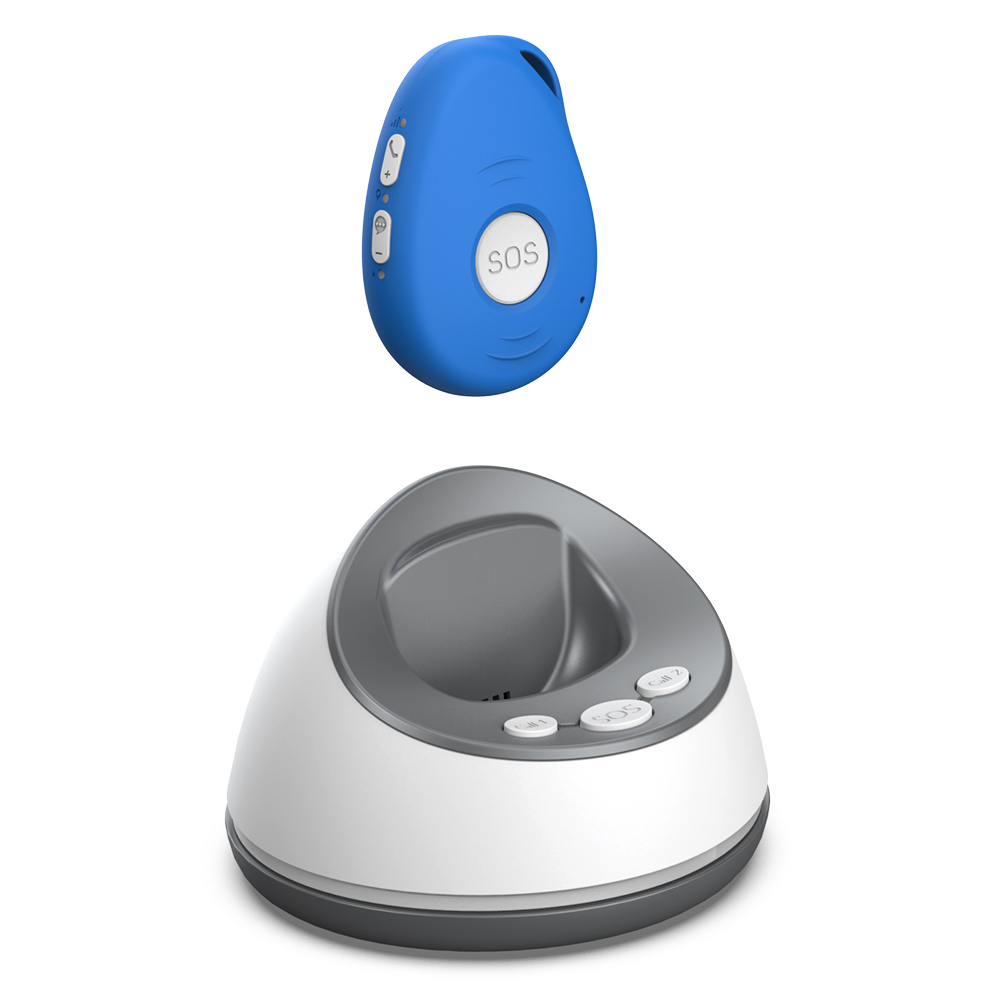
If you are unsure where to start, focus on the features that address the most likely risks. For a senior with good mobility who lives alone, fall detection and two-way calling are the highest priorities. For someone with memory issues, GPS tracking becomes just as critical. And for anyone, reliable battery life and water resistance are non-negotiable basics.
Familyr provides personal medical alarms for seniors in New Zealand with SOS, GPS, fall detection, and family-monitored two-way calling, and is located at 14 Grand View Road, Remuera, Auckland 1050, New Zealand, reachable at +64 9 872 0345.
Connect with us on YouTube.
❧